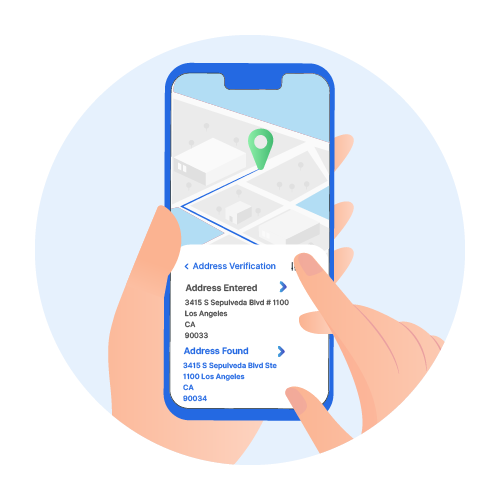
In the competitive world of travel technology, offering convenience, reliability, and speed is crucial. With thousands of destinations, accommodations, and attractions available at travelers’ fingertips, travel apps must ensure every detail is accurate—especially location data. A powerful tool that supports this goal is the Address Checker API. This blog explores why modern travel applications can’t afford to ignore this technology.
Understanding Address Checker APIs
An Address Checker API validates, formats, and enhances address data in real time. This tool verifies whether an input address exists, is formatted correctly, and meets postal and geographic standards.
Key Capabilities:
- Validation: Confirms address authenticity.
- Correction: Fixes misspellings and standardizes data.
- Autocomplete: Suggests accurate addresses during typing.
- Geocoding: Matches address data with geographic coordinates.
These functions make it easier for travel platforms to deliver reliable, error-free location data to users.
The Role of Accurate Addresses in Travel Apps
Travelers rely on apps for transportation, lodging, food, and sightseeing. A single inaccurate address can derail the entire experience.
Problems Without Address Verification:
- Bookings made for non-existent or mislocated accommodations.
- Ride-hailing pickups directed to the wrong place.
- Difficulty finding meeting points for tours.
- Miscommunication between travelers and hosts.
Travel Segments That Rely on Address Accuracy:
- Vacation rentals (Airbnb, Vrbo)
- Tour operators
- Travel agents
- Transportation platforms (taxis, scooters, buses)
- Delivery services catering to tourists
Benefits of Address Checker APIs for Travel Apps
1. Better User Experience
Address Checker APIs ensure that users can enter correct, complete, and fast-validated addresses, reducing frustration and entry time.
2. Increased Booking Accuracy
With real-time address validation, platforms prevent errors in hotel or experience bookings.
3. Enhanced Map and Navigation Functions
Accurate geolocation allows smoother integration with map-based services like Google Maps, HERE, or Apple Maps.
4. Improved Communication
Correct addresses reduce disputes between hosts, guests, and drivers over pickup or drop-off points.
5. Streamlined Logistics
Whether it’s airport shuttles or guided tours, knowing the exact pickup location means operations run smoothly.
Use Cases of Address Checker APIs in Different Travel App Types
Hotel Booking Apps
- Ensure verified property addresses.
- Minimize no-shows and check-in confusion.
Vacation Rental Platforms
- Hosts must enter valid, detailed addresses.
- Travelers can trust that listings are genuine and reachable.
Transport and Ride-Hailing Services
- Address validation ensures proper pickup and drop-off.
- Reduces missed rides or wrong locations.
Tour Booking Apps
- Meeting points for walking tours or day trips can be validated.
- Tour guides can plan routes based on real data.
Event and Activity Apps
- Verify locations of concerts, festivals, and local events.
- Help tourists find lesser-known venues or pop-up events.
SEO and Marketing Advantages for Travel Apps
Integrating an Address Checker API doesn’t just improve UX—it boosts visibility and trust as well.
Boost Local SEO
Accurate, geotagged addresses help travel platforms rank in local and “near me” searches.
Improve Conversion Rates
Trustworthy data encourages users to complete bookings.
Reduce Customer Service Load
Fewer address-related issues mean fewer complaints and support tickets.
Better Mobile App Reviews
Positive user experience often translates into higher app ratings and organic visibility in app stores.
How to Implement an Address Checker API in Your Travel App
Step 1: Identify Your Address Pain Points
Analyze forms, user reports, and support tickets to find where incorrect addresses are affecting performance.
Step 2: Choose an API with Wide Coverage
Travelers explore globally. Ensure your API validates addresses in all regions you serve.
Step 3: Integrate During Form Input
Add the address checker to user entry fields during sign-up, booking, or checkout.
Step 4: Use Geocoding and Mapping Features
Pair address validation with geocoding to improve map-based features and real-time location services.
Step 5: Monitor and Optimize
Track API performance: success rate, correction frequency, and user drop-off points. Adjust UI/UX as needed.
Features to Look for in a Travel-Friendly Address Checker API
Real-Time Feedback
Users should get immediate suggestions and corrections.
Global Address Support
Essential for multinational travel apps serving tourists worldwide.
Multilingual Compatibility
Address validation should work in multiple languages and regional formats.
Scalability
The API should grow with your platform as you onboard more users and expand services.
Offline Functionality
Useful for apps that serve areas with poor connectivity, like remote regions.
Leading Address Checker APIs for Travel Developers
Google Places API
- Industry-standard accuracy and real-time suggestions.
- Supports autocomplete, place validation, and geocoding.
HERE Location API
- Known for strong mapping tools.
- Offers high-level support for transport and routing apps.
Loqate by GBG
- Comprehensive global address coverage.
- Ideal for apps with international audiences.
SmartyStreets
- U.S.-focused but expanding internationally.
- Offers fast validation and postal accuracy.
PostGrid
- Suitable for verification and location insights.
- Integrates with customer communication systems.
Case Study: Uber’s Use of Address Validation
Uber uses real-time address verification and geolocation to ensure riders and drivers are connected at the correct location. Any discrepancy can lead to delays or cancellations, so address accuracy is vital to service quality.
Uber also uses predictive text input, powered by APIs, to speed up address entry and reduce typos.
AI and the Future of Address Validation in Travel
Artificial intelligence is revolutionizing how travel platforms handle address data:
Predictive Address Entry
AI anticipates likely addresses based on partial inputs, habits, or geolocation.
Voice-Enabled Address Input
With speech-to-text functionality, users can speak their destination and get validated address suggestions instantly.
Fraud Detection
AI can flag suspicious address activity, helping reduce scams in the travel ecosystem.
Multilingual NLP Processing
Natural language processing enables recognition of local address formats, even when mixed with informal speech.
Accessibility and Inclusivity Benefits
Support for Non-Native Speakers
Autocomplete and correction features reduce language barriers for international travelers.
Assistive Technologies Compatibility
Address validation integrates with screen readers and other tools for travelers with disabilities.
Simplified UX for Elderly Travelers
Streamlined, predictive input reduces the need for typing complex or unfamiliar addresses.
Best Practices for Integrating Address Checker APIs in Travel Apps
Use Minimal Fields
Simplify forms and rely on autocomplete rather than requiring users to type out full details.
Design for Mobile First
Make sure address suggestions display clearly on small screens and support tap selection.
Provide Real-Time Feedback
Show validation or correction suggestions immediately to guide users through input.
Include a Map View
Let users visually confirm their selected address on a map interface.
Offer Manual Entry Backup
Give users the option to enter details manually in case suggestions miss remote or new areas.
Summary: Why Your Travel App Can’t Ignore Address Checker APIs
Inaccurate address data causes friction, ruins trips, and erodes trust. With travelers expecting seamless digital experiences, integrating an Address Checker API becomes a foundational step toward reliability and satisfaction.
By improving address accuracy, your app gains:
- Higher user satisfaction
- Fewer booking errors
- Enhanced SEO and discoverability
- Smoother logistics and operations
For app developers, product managers, and tourism entrepreneurs, the message is clear: to build a competitive, scalable, and trusted travel app, an Address Checker API is no longer optional—it’s essential.
Invest in address validation to turn your travel platform into a global-ready, user-friendly service that tourists can rely on, no matter where their journeys take them.