The success of any tourist experience often hinges on one crucial detail: location accuracy. Whether a traveler is exploring a bustling city or a secluded mountain village, knowing exactly where a destination is and how to get there can make or break their journey. In today’s digital tourism landscape, Address Checker APIs have become a game-changing tool for both developers and travelers alike.
In this blog, we’ll dive deep into how Address Checker APIs help travelers find tourist spots faster, streamline local exploration, and enhance destination discovery—all while improving travel platform performance.
Introduction to Address Checker APIs
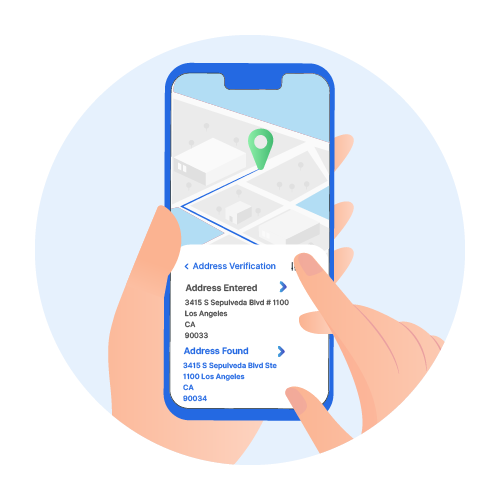
An Address Checker API is a backend service that validates and formats physical addresses. It ensures the information entered into apps or websites is real, accurate, and navigable.
What Makes It Different From a Regular Address Form?
- Cross-references with postal and geolocation databases.
- Identifies misspellings and suggests corrections.
- Offers autocomplete and predictive text for faster input.
- Returns GPS coordinates and map-friendly formats.
These APIs are especially useful in tourism where accuracy and speed are critical to a smooth experience.
The Tourism Industry’s Need for Fast and Accurate Location Services
Tourism is dynamic, spontaneous, and often time-sensitive. Travelers don’t just plan in advance—they explore on the go.
Key Traveler Needs Addressed by These APIs:
- Quickly locate must-see attractions.
- Find offbeat spots based on real-time location.
- Navigate local events and pop-up venues.
- Input addresses without full knowledge of the local language or format.
Common Issues Without Address Verification:
- Misleading directions to closed or nonexistent places.
- Time wasted on route corrections.
- Poor tourist reviews caused by confusion and delays.
How Address Checker APIs Enhance Tourist Spot Discovery
1. Location Validation Before Listing
Tourist directories and experience platforms can ensure only real, reachable destinations are published.
2. Real-Time Suggestions While Typing
Autocomplete features help travelers quickly find known landmarks or local gems, even with partial input.
3. Proximity-Based Filtering
With address standardization and geocoding, apps can show attractions within walking distance or by transport.
4. Better Mapping and Directions
Correct addresses improve route accuracy on integrated maps, saving time and reducing frustration.
5. Multilingual Address Entry
APIs recognize and standardize addresses input in local or tourist languages.
Tourist Scenarios Improved by Address Checker APIs
Planning Day Trips
Users can select from validated locations for seamless itineraries and avoid error-prone destinations.
Exploring Nearby Attractions
Apps suggest places near the tourist’s GPS location, using validated, mappable addresses.
Booking Last-Minute Experiences
Instant address correction and confirmation streamline bookings for pop-up events or short tours.
Sharing Locations with Others
Accurate addresses make it easy to share directions with travel companions, guides, or ride services.
Case Applications: Where These APIs Are Making a Difference
Smart Tourism Apps
City guides use APIs to validate all tourist locations and avoid duplications or outdated listings.
Food and Beverage Guides
Tourists can search for cafes, bars, and restaurants without worrying about incorrect addresses or business names.
Cultural Experience Platforms
From museums to art installations, every spot is confirmed and mapped accurately.
Festival and Event Apps
APIs help organizers list real locations of events, even temporary or changing ones, ensuring tourists arrive on time.
Digital Travel Assistants
AI-based concierge tools leverage address APIs to recommend verified places based on interests and location.
Enhancing Tourist Experience Through Address-Driven Features
Interactive Maps with Verified Pins
Only validated addresses appear as clickable locations, reducing map clutter and inaccuracies.
Itinerary Building Tools
Drag-and-drop planners rely on precise geodata to sequence stops effectively and realistically.
Local Transit Integration
Knowing exact pickup or drop-off spots improves the utility of public transportation guides.
Augmented Reality Tours
AR apps show overlays of real-world places using GPS-based address matching.
Emergency Navigation Tools
In emergencies, directing a tourist to the nearest hospital or police station depends on accurate, validated locations.
Address Checker API Features That Accelerate Exploration
Predictive Input
Speeds up address entry with smart suggestions.
Geolocation Pairing
Links typed addresses with real-time GPS to improve search relevance.
Distance Calculations
Enable apps to show estimated travel time and modes of transit.
Mobile-Optimized Response
Fast, responsive UI interactions suited to small screens.
Regional and Language Adaptability
Recognizes addresses in native scripts or with tourist-friendly translations.
SEO Implications for Travel Platforms Using Address Validation
Increased Visibility in Search Engines
Verified geotagged content ranks better in location-specific searches.
Higher Engagement and Lower Bounce Rates
Users find what they need faster, encouraging longer sessions and repeat visits.
Voice Search Compatibility
Accurate addresses make apps more compatible with voice-based queries like “What to do near me?”
Improved Mobile Indexing
APIs help ensure address-based content is usable on mobile—a major SEO factor.
Popular Address Checker APIs for Enhancing Tourism Platforms
Google Maps Platform
- Combines address validation with street view and local business data.
- Ideal for city guide apps and real-time directions.
TomTom Search API
- High accuracy in navigation-focused apps.
- Popular with mobility and transport platforms.
Loqate
- Comprehensive global database and postal data integration.
- Excellent for apps covering multiple countries.
HERE Location APIs
- Strong mapping suite with offline support.
- Trusted by travel and logistics companies.
Mapbox Geocoding API
- Offers interactive map layers and address intelligence.
- Suitable for immersive travel apps with visual elements.
Implementation Steps for Developers and Product Teams
1. Conduct a Location Data Audit
Evaluate where inaccurate or duplicate addresses currently affect performance.
2. Choose a Tourism-Compatible API
Ensure the provider offers local address formats, multilingual support, and real-time performance.
3. Integrate Into Discovery Features
Embed API suggestions into search, map views, and itineraries.
4. Monitor Performance and User Behavior
Use metrics like address error rate, bounce rate on listings, and click-through from maps.
5. A/B Test New Features
Try different forms of autocomplete or map integration to determine what enhances discovery.
Future Outlook: Address Intelligence and Smart Exploration
AI-Driven Personal Recommendations
Combining user behavior with address APIs to suggest attractions they might enjoy.
Crowdsourced Location Validation
Allow users to confirm or flag addresses to improve real-time data quality.
Integration with Wearables
Address-validated alerts for nearby attractions, perfect for smartwatches and AR glasses.
Eco-Tourism Optimization
Suggest verified locations reachable by foot, bike, or public transit to promote sustainable tourism.
Summary: Faster, Smarter Tourism Through Address Checker APIs
Travelers today expect real-time, reliable information. With time-sensitive schedules and spontaneous plans, they can’t afford mistakes caused by faulty location data. Address Checker APIs fill this gap by providing:
- Verified, searchable addresses.
- Multilingual and regional formatting support.
- Smart suggestions based on partial input.
- Accurate geolocation for improved mapping and navigation.
Whether you’re building a city discovery app, a last-minute experience platform, or a travel planning tool, incorporating an Address Checker API is key to helping tourists find places faster and explore smarter.
In the evolving digital tourism space, this isn’t just an enhancement—it’s a competitive advantage that drives user trust, engagement, and satisfaction.